The Geology Under Your Home: Karst Limestone and Clay
If you live in Bowling Green, you are sitting on top of one of the most unique geological formations in Kentucky: karst limestone. This type of landscape is created when slightly acidic water slowly dissolves the limestone bedrock over thousands of years, leaving behind a network of cracks, fissures, and underground channels. While this makes for beautiful caves and springs in the region, it also creates a challenging environment for homeowners. When rain falls, it does not always run off the way it would on solid rock or dense clay. Instead, it can sink directly into the ground and travel through the limestone, sometimes emerging right at the base of your foundation.
On top of the limestone, many areas around Bowling Green have a thick layer of clay soil. Clay is notorious for its poor drainage. When it gets wet, it expands and holds water like a sponge, creating hydrostatic pressure against your basement walls. When it dries out, it shrinks and cracks, leaving gaps around your foundation. This combination of water-permeable limestone below and water-retaining clay above is the perfect recipe for Bowling Green basement leaks. Understanding this geology is the first step in fixing the problem, because it explains why simple surface fixes often fail.
How Karst Limestone Soil Creates Kentucky Basement Water
Karst limestone soil is not just a passive backdrop; it actively directs water toward your home. Because the bedrock is full of solution channels and voids, groundwater can move horizontally and vertically with surprising speed. During a heavy rain, the water table can rise quickly, pushing water up through the floor slab or forcing it through hairline cracks in the cove joint where the wall meets the floor. This is a common source of Kentucky basement water that many homeowners mistake for a plumbing leak. The water may appear clear and seem to come from nowhere, but it is actually groundwater responding to pressure from the surrounding karst system.
Another issue with karst terrain is the presence of sinkholes. Sinkholes are natural depressions that form when the limestone below dissolves and the soil above collapses into the void. Even small sinkholes can collect surface water and funnel it directly toward your foundation. If you have a sinkhole or a low spot in your yard that stays wet long after it rains, that water is likely finding its way into the same underground network that surrounds your basement. This is why sinkhole basement water is a specific concern for local homeowners, and why a one-size-fits-all waterproofing approach rarely works here.
Common Basement Leak Causes in Bowling Green
The causes of basement leaks in this region go beyond simple window wells or clogged gutters. While those can certainly contribute, the underlying geology amplifies every small vulnerability. Here are the most common basement leak causes we see in Bowling Green and the surrounding areas like Smiths Grove and Plum Springs:
- Hydrostatic pressure: Saturated clay soil pushes water against your foundation walls, forcing it through cracks and pores in the concrete.
- Cove joint seepage: The seam where the floor and wall meet is a common entry point for water rising from below.
- Foundation cracks: Hairline cracks from settling or shrinkage allow water to seep in, especially when the water table is high.
- Poor exterior drainage: Grading that slopes toward the house or downspouts that discharge too close to the foundation compound the problem.
- Sinkhole activity: Even minor sinkholes can redirect groundwater toward your home, increasing pressure and volume.
Each of these causes requires a different solution, but they often overlap. For example, fixing a crack without addressing the hydrostatic pressure from clay soil is like putting a bandage on a wound that needs stitches. A thorough inspection is essential to identify all the contributing factors. If you are seeing water in your basement, it is worth getting a professional free estimate to understand exactly what is happening beneath your home.
Solutions That Work With Bowling Green's Soil, Not Against It
Because Bowling Green's geology is unique, waterproofing solutions must be tailored to manage both surface water and groundwater. One of the most effective approaches is an Interior Drain Tile System. This system is installed along the inside perimeter of your basement footing, where it collects water that seeps through the walls or rises from the floor. The water is then directed to a sump pump and discharged away from the home. Interior systems are particularly useful in karst areas because they address water from below, not just from the sides, and they are not affected by exterior soil conditions.
For homes where the problem is primarily surface water or where the exterior is accessible, Exterior Basement Waterproofing can be a strong complement. This involves excavating around the foundation, applying a waterproof membrane, and installing drainage to keep water away from the walls. However, in karst terrain, exterior solutions alone may not stop water that originates from underground channels. That is why many homeowners benefit from a combination of exterior and interior measures. A comprehensive Foundation Waterproofing plan might also include improving grading, extending downspouts, and sealing cracks. The goal is to create multiple lines of defense against the unique pressures of karst limestone and clay.
Basement Waterproofing Near Me: When to Call a Pro
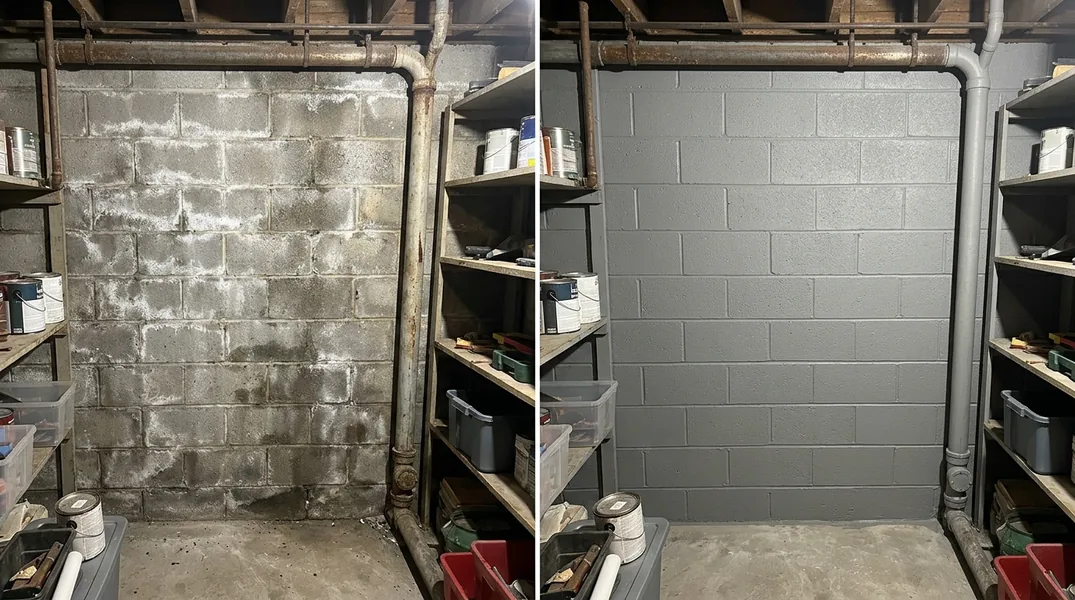
If you have noticed musty odors, efflorescence (white powder on the walls), or actual water puddles in your basement, it is time to call a professional. In Bowling Green, these signs often point to a combination of karst groundwater and clay soil pressure that will not resolve on its own. Waiting can lead to mold growth, structural damage, and worsened leaks. A professional can perform a thorough evaluation, including checking for sinkhole activity and testing drainage patterns, to recommend the right solution for your specific situation.
When searching for "basement waterproofing near me" in Bowling Green, look for a company that understands local geology and offers a range of solutions. Bowling Green Waterproofing specializes in addressing the unique challenges of karst limestone and clay soil. We can assess your home, explain your options, and provide a clear pricing structure. Do not let a small leak become a major headache. Call us at (270) 721-6011 to schedule your free estimate and protect your home from the ground up.
Looking for a professional basement waterproofing contractor in Bowling Green? Bowling Green Waterproofing responds fast for all your basement waterproofing needs.
Get a Free QuoteOur services: Basement Waterproofing · Interior Drain Tile System · Exterior Basement Waterproofing